
Applied Intelligence Briefing
Edge Analytics / Applied Intelligence BriefingCase study
Occupancy of properties: the measurement challenge
Edge Analytics combined published and commercial datasets to produce granular occupancy estimates for Anglian Water's metered and unmetered properties.
- Client
- Anglian Water
- Method
- Hybrid occupancy model
- Purpose
- Demand evidence
Property-level occupancy intelligence aligned with Census totals and planning zones
The business challenge
How can occupancy be measured consistently when no single dataset is complete?
Context
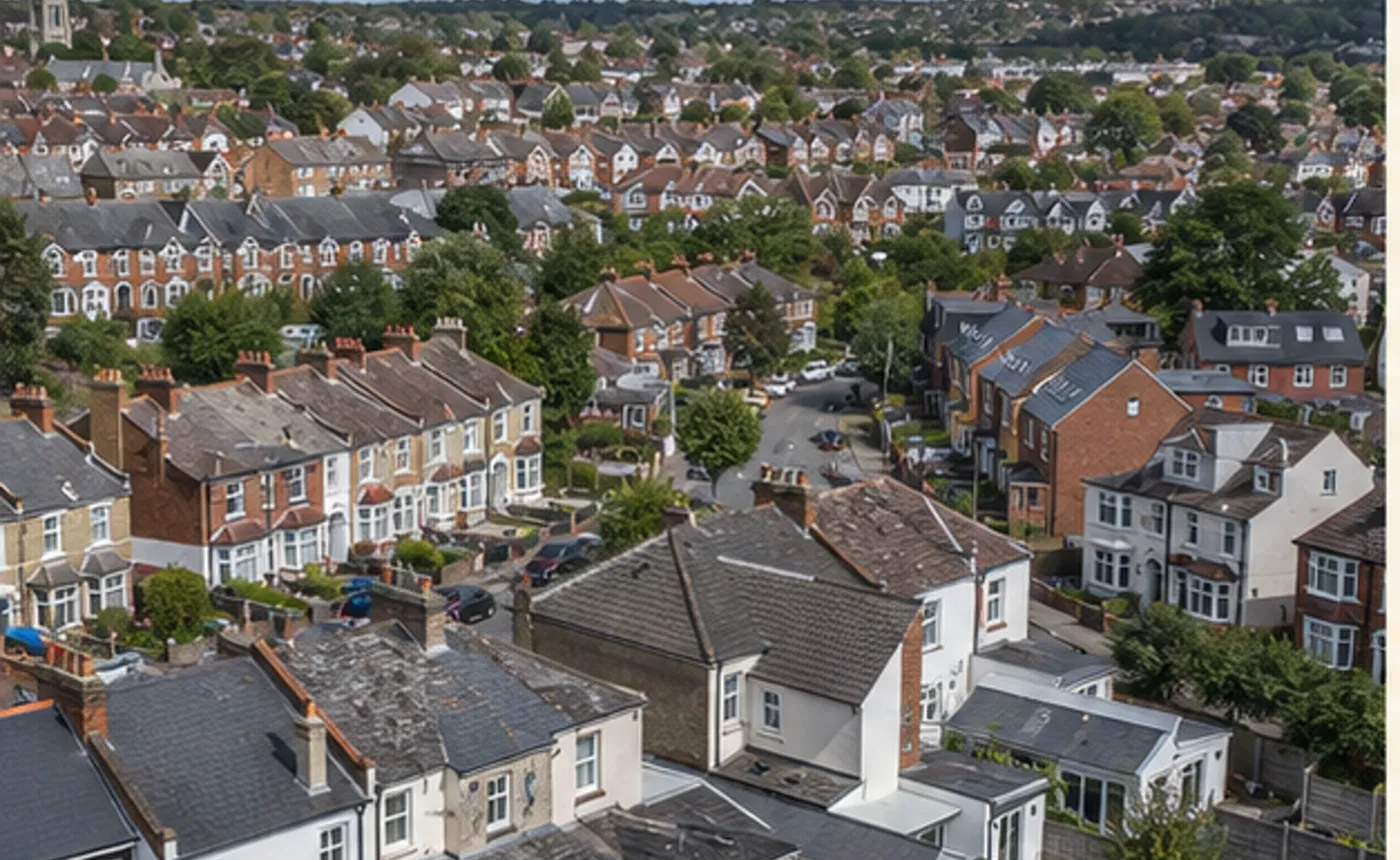
Accurate property occupancy is essential to water-company operations, but individual-property evidence is difficult to obtain. Commercial sources offer granularity with incomplete coverage, while published statistics are robust but available only for larger geographies.
Requirement
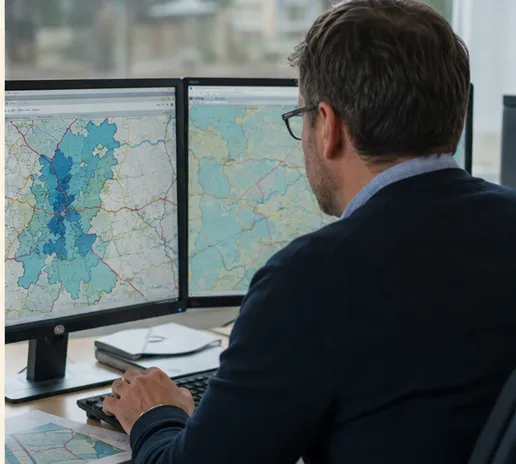
Create reliable occupancy estimates for metered and unmetered properties across Anglian Water's planning zones.
Method
- 01
Commercial evidence
Used property-level commercial occupancy data despite incomplete and variable sample coverage.
- 02
Census estimates
Modelled occupancy from the 2021 Census for every Output Area across the operating region.
- 03
Hybrid calibration
Combined both sources and constrained granular estimates to published Census totals.
Outputs & significance
Hybrid evidence resolves occupancy gaps
2021
Property granularity
Produced occupancy statistics at individual-property level across the water and wastewater network.
Published consistency
Maintained consistency with robust Census totals at higher geographic levels.
Planning-zone coverage
Identified both metered and unmetered properties across Anglian Water's planning zones.
Significance
No single source is sufficient
Triangulating commercial and official evidence created a more complete and operationally useful view of property occupancy.