
Applied Intelligence Briefing
Edge Analytics / Applied Intelligence BriefingCase study
The impact of new homes on school places
Edge Analytics forecast the pupil yield of a major housing development, showing that planned school capacity would soon be exceeded.
- Client
- Local authority
- Platforms
- EDGE-UCATE Mainstream
- Scale
- 4,000 homes
Pupil-yield evidence for school-place and infrastructure planning


The business challenge
How many school places would 4,000 new homes require?
Context
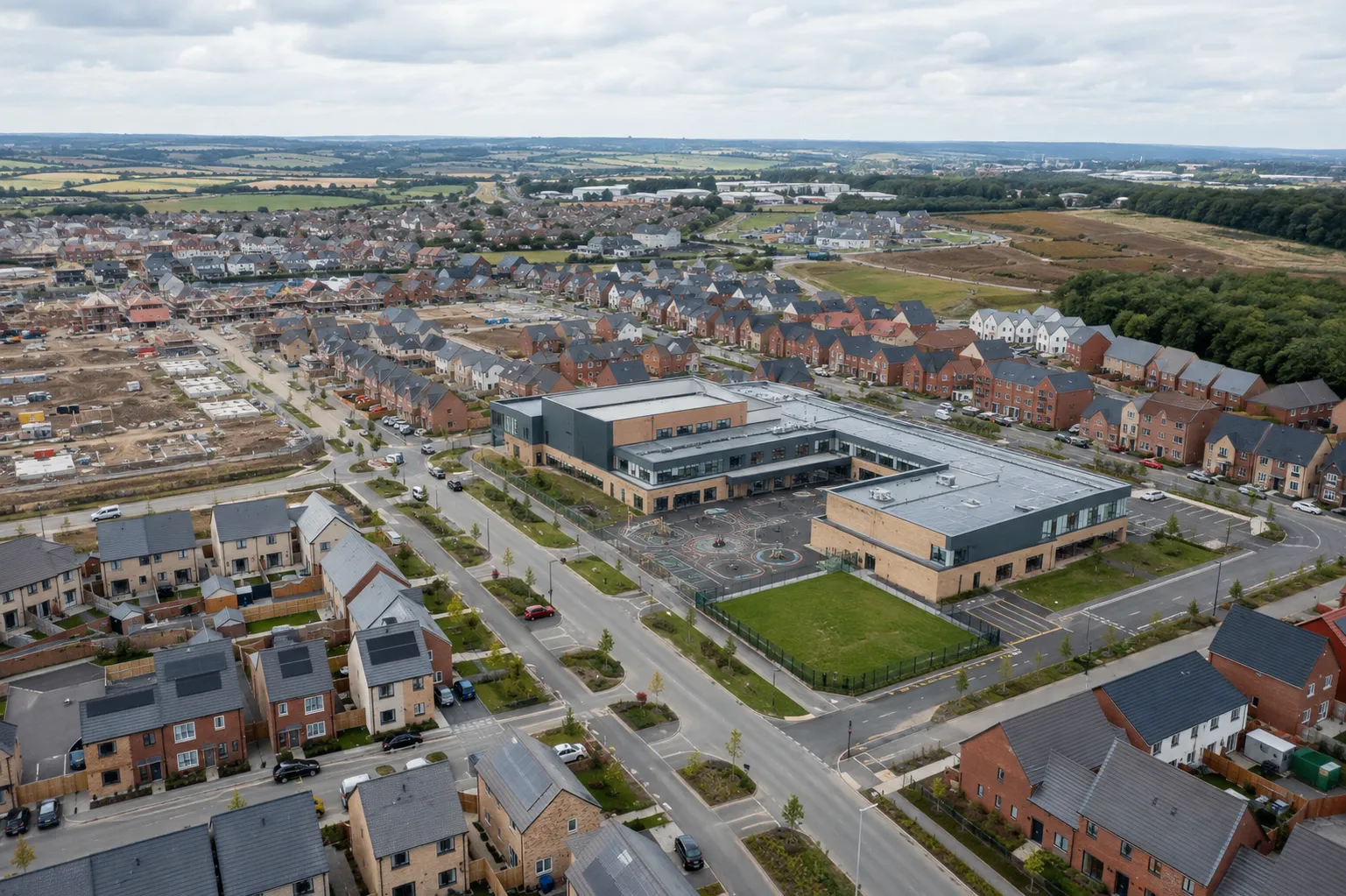
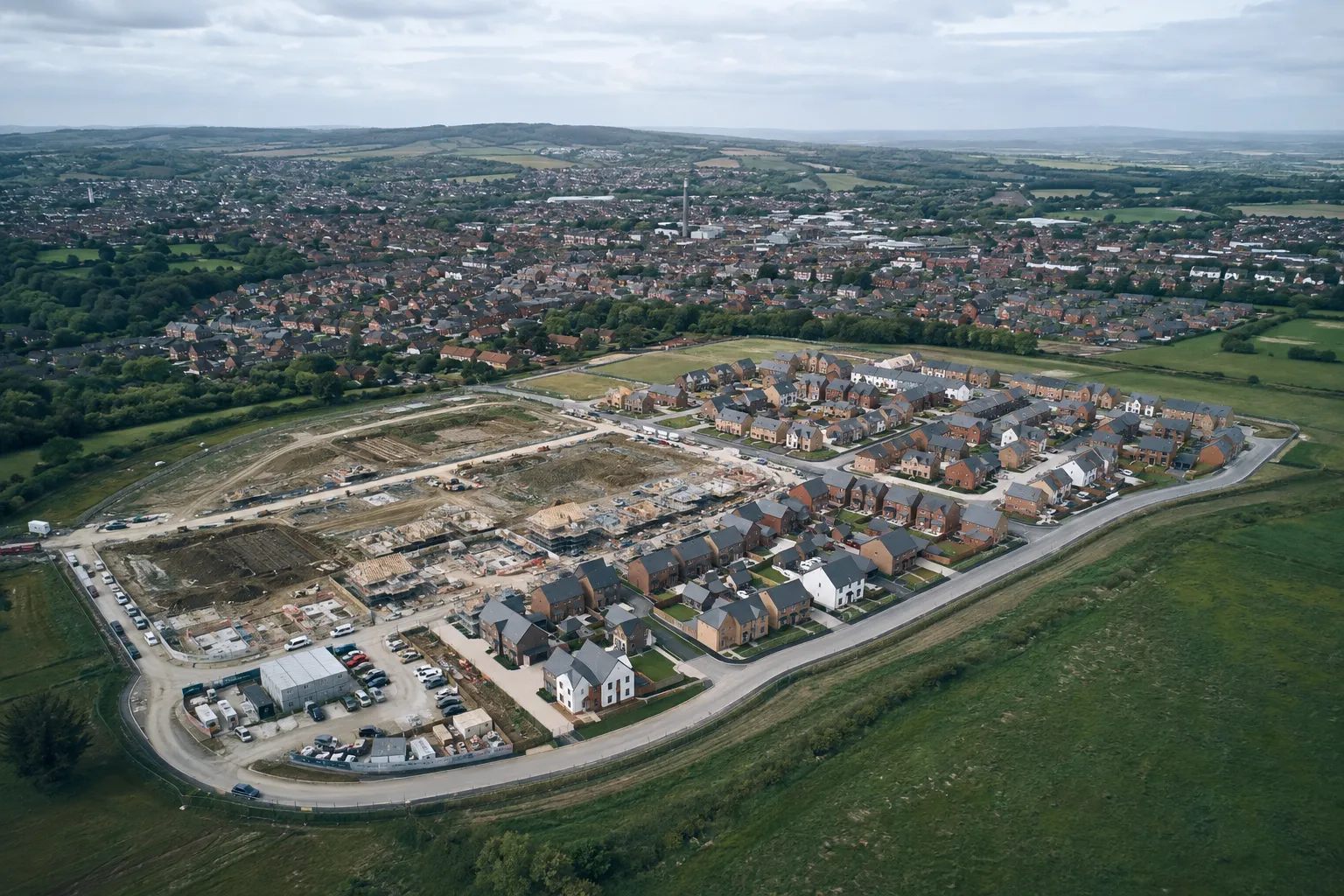
The 4,000-unit brownfield development included a new primary school under a legal agreement with the landowner. With only 50% of homes completed, admission rates were higher than expected and the new school was already nearing planned capacity, creating an imminent shortfall.
Requirement
The Council needed a robust assessment of pupil yield from the completed settlement to determine whether additional places were required immediately and to inform its review of school capacity in the village, infrastructure plans and funding agreements.
Method
- 01
Local evidence
Collected data on resident children, local schools and pupils, capacity, historical completions and planned housing development.
- 02
Cohort forecasting
Configured EDGE-UCATE Mainstream to test pupil-cohort progression through primary and secondary education under different yield parameters.
- 03
Scenario assessment
Applied the model to the completed settlement and wider housing pipeline to quantify short- and long-term school-place impacts.
Outputs & significance
A clear case for additional places
1,100–1,500
Primary demand forecast
Estimated demand of 1,100–1,500 primary pupils from the development - above the Council’s original estimate.
Secondary-school impact
Calculated how the larger primary cohorts would flow through into local secondary-school provision.
Planning framework
Created a pupil-forecasting framework to inform the Council’s future school-place planning requirements.
Significance
Large settlements can create unexpectedly high primary demand
The incoming population’s age profile drove an imminent shortfall. Cohort evidence traced the impact into secondary provision and prompted a review of infrastructure and funding.